As Jersey City’s first Director of Infrastructure, Barkha has led a transformation of the public realm that prioritizes active transportation, open space, sustainability, community, and culture.
Transportation
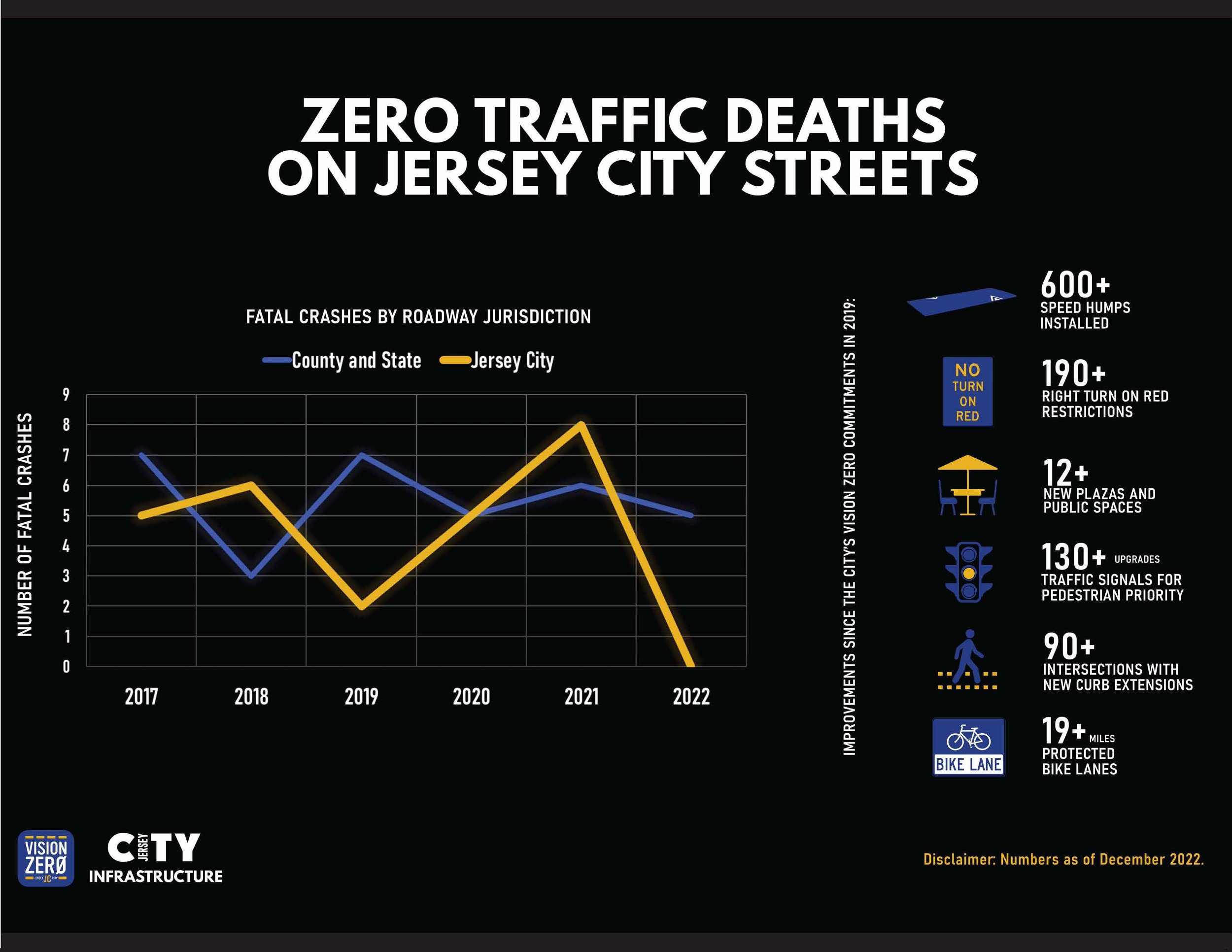
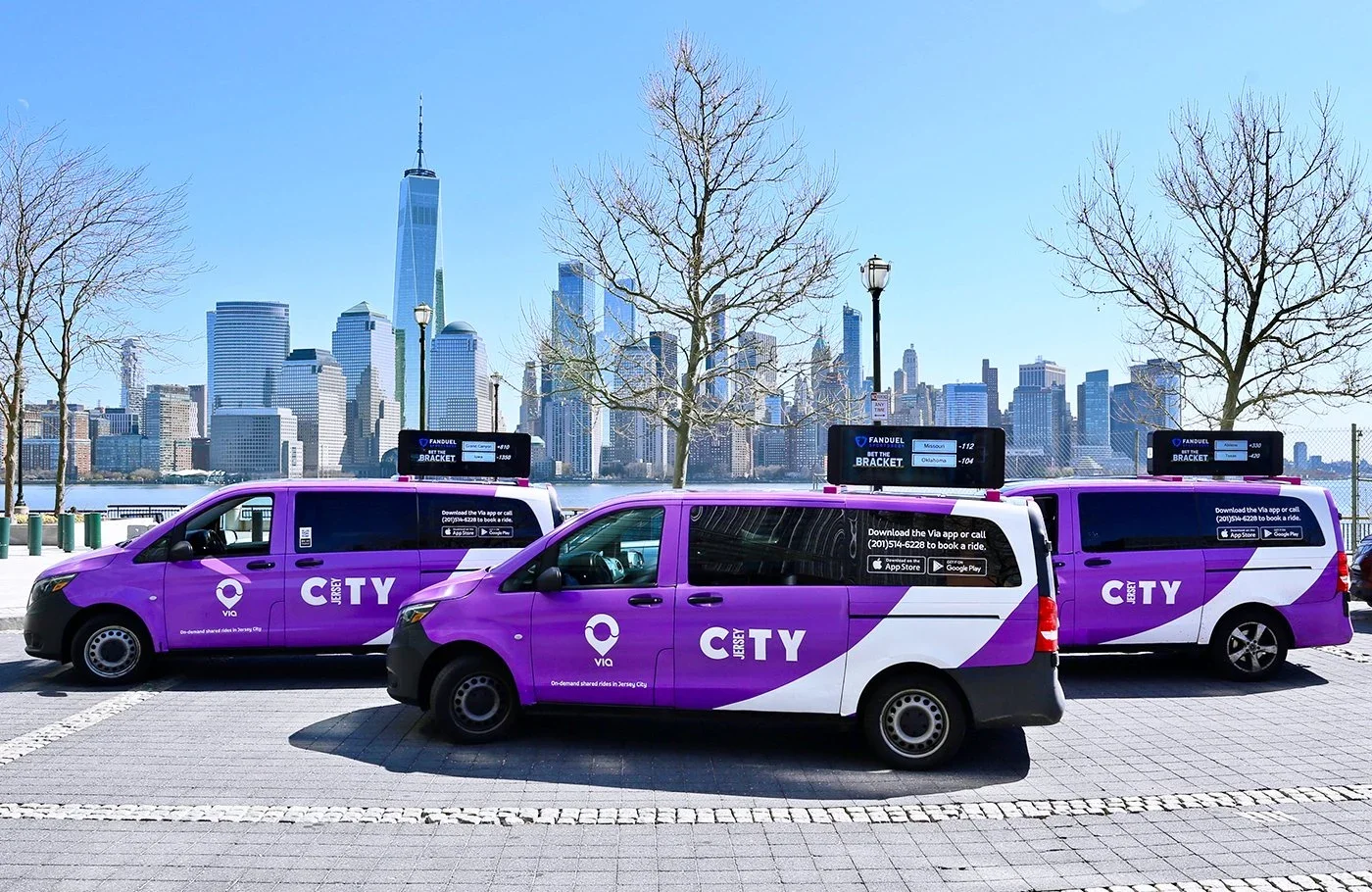
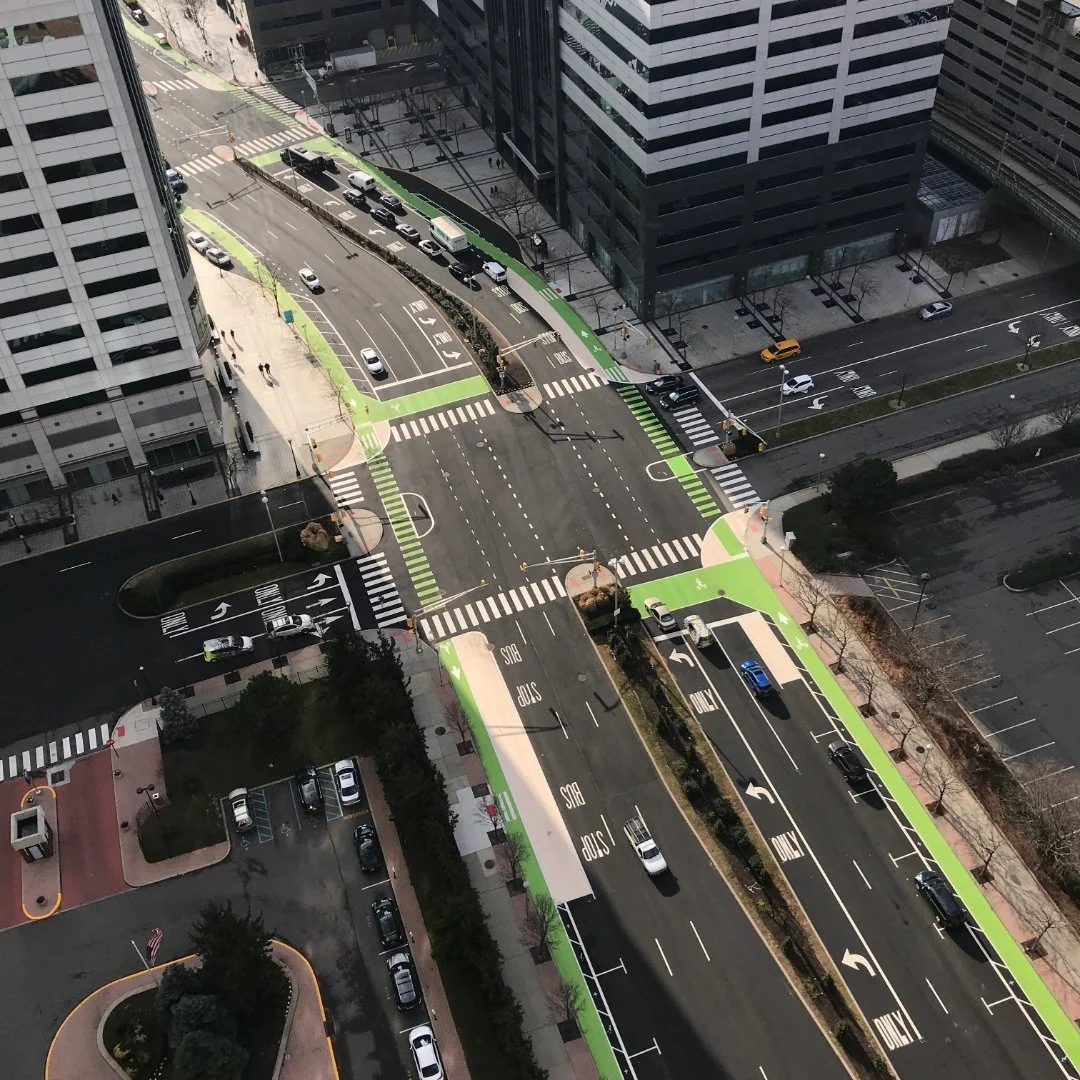
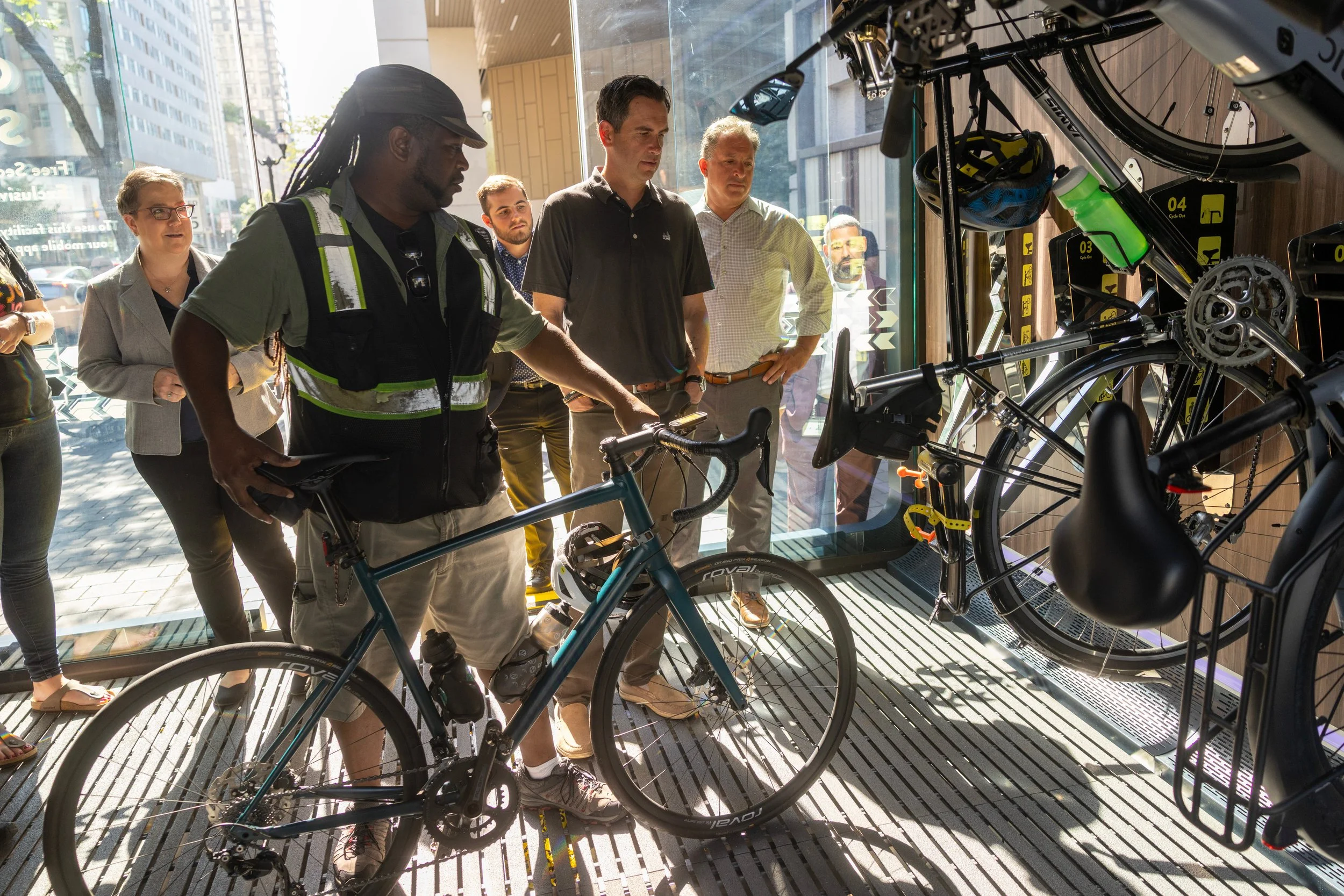
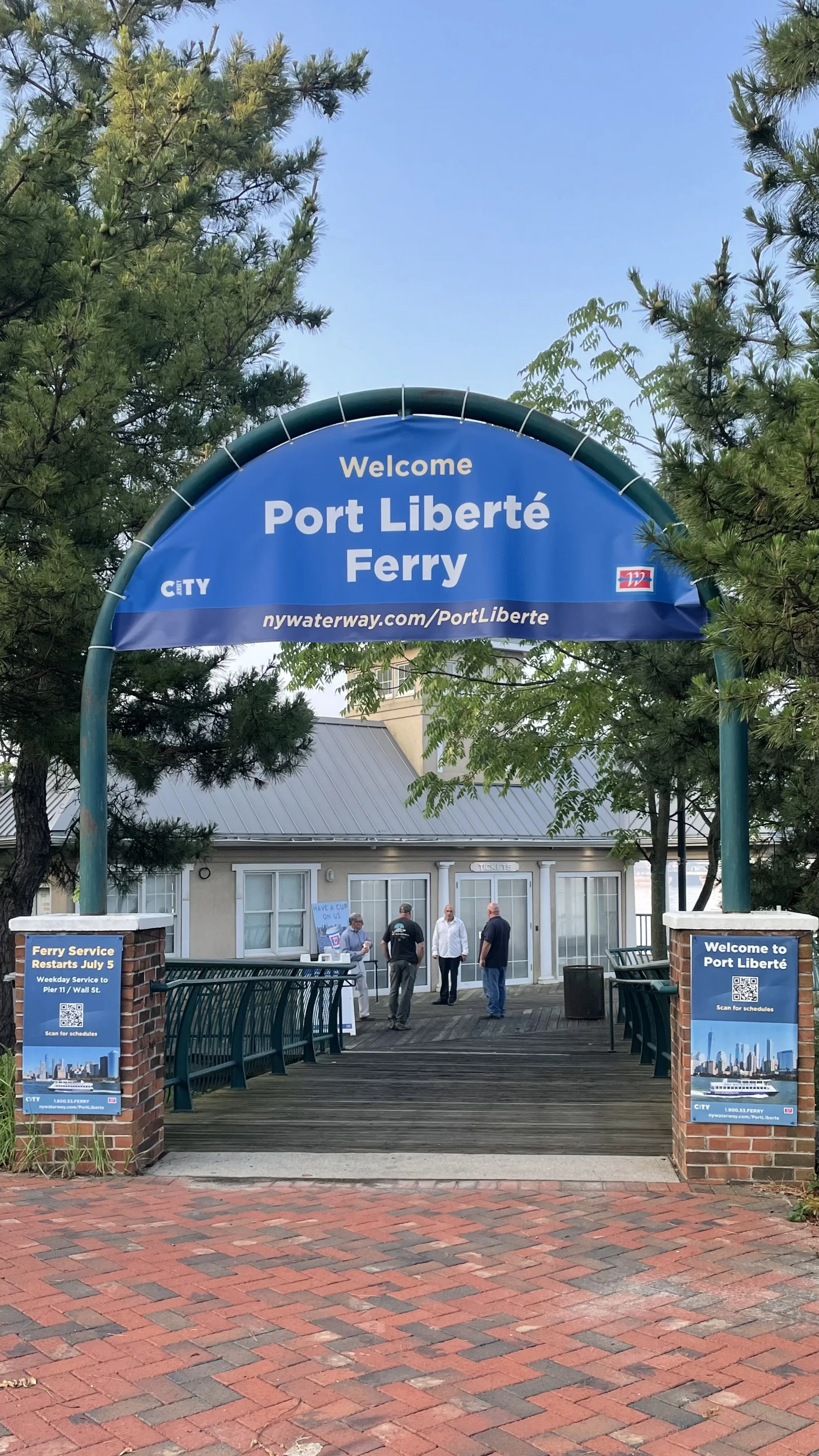
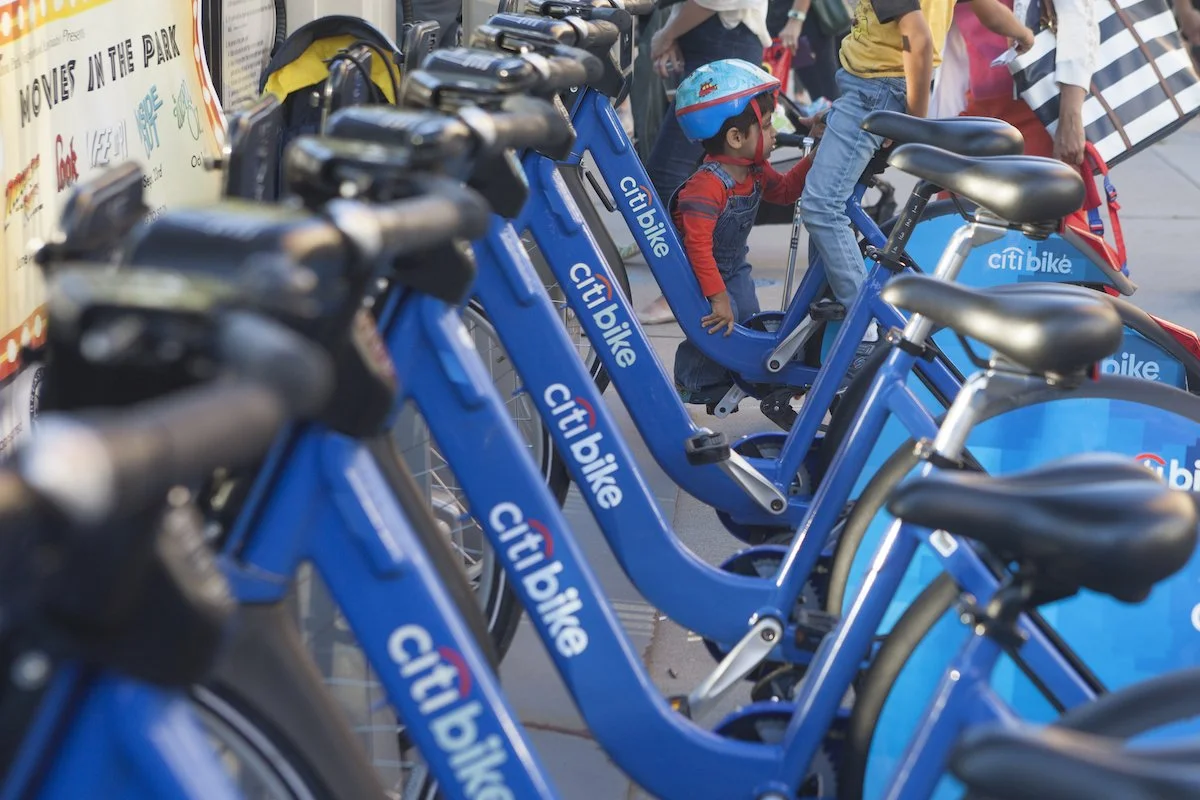
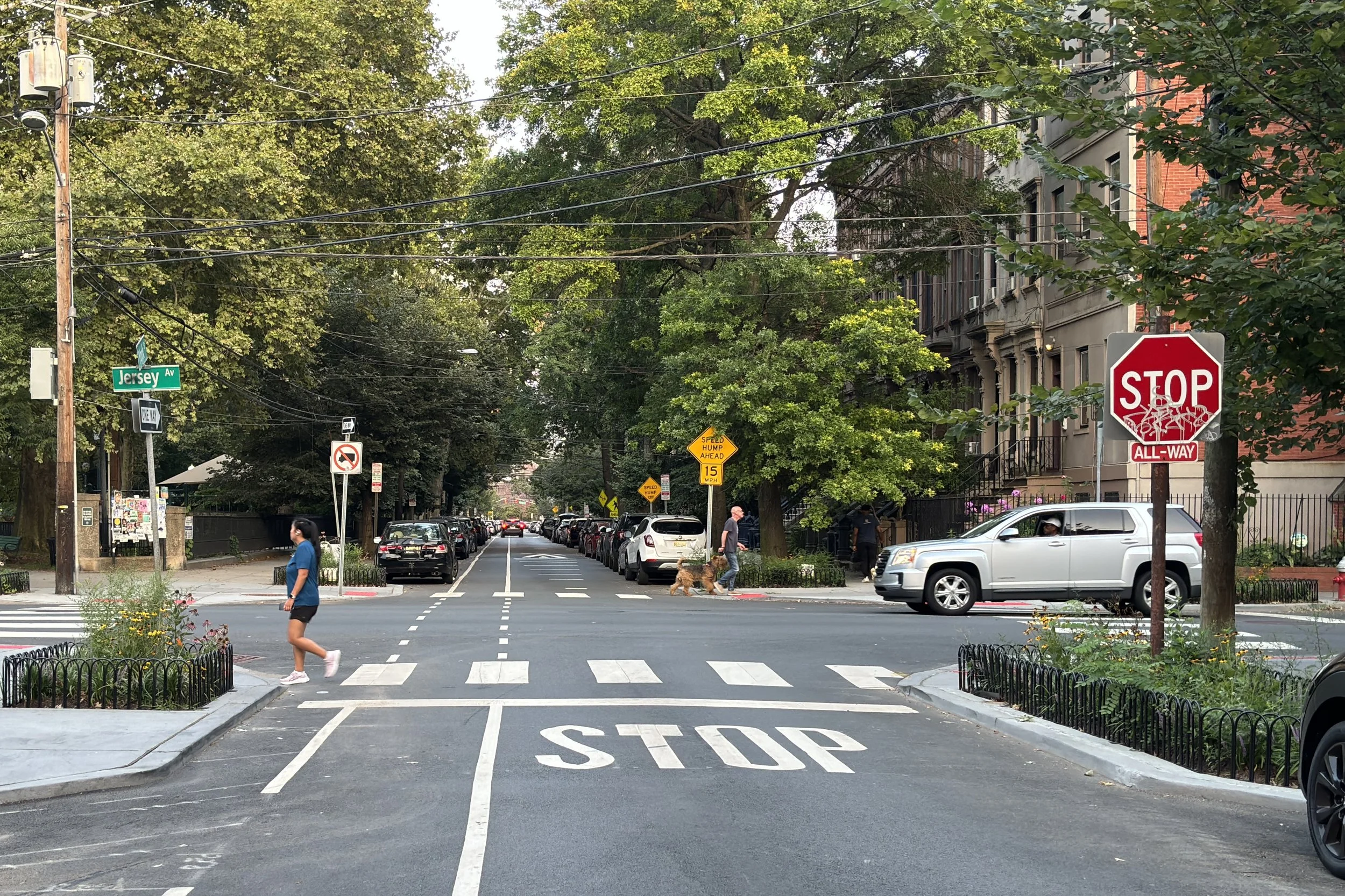
Jersey City has become a national leader in Transportation with the rapid implementation of projects that prioritize the most sustainable modes of travel - walking, biking, and transit. Jersey City became the first city in New Jersey to adopt a Vision Zero policy and has since constructed a robust network of protected bikeways and safe streets, launched an affordable microtransit system, and advanced policies to improve mobility options. As a result, 57% of the City’s population now commutes via transit, walking, and biking - a steady increase over the last decade. The City experienced a year with ZERO traffic deaths on municipal streets in 2022 and has been the recipient of two Complete Streets Excellence Awards.
Watch the Video
Open Space
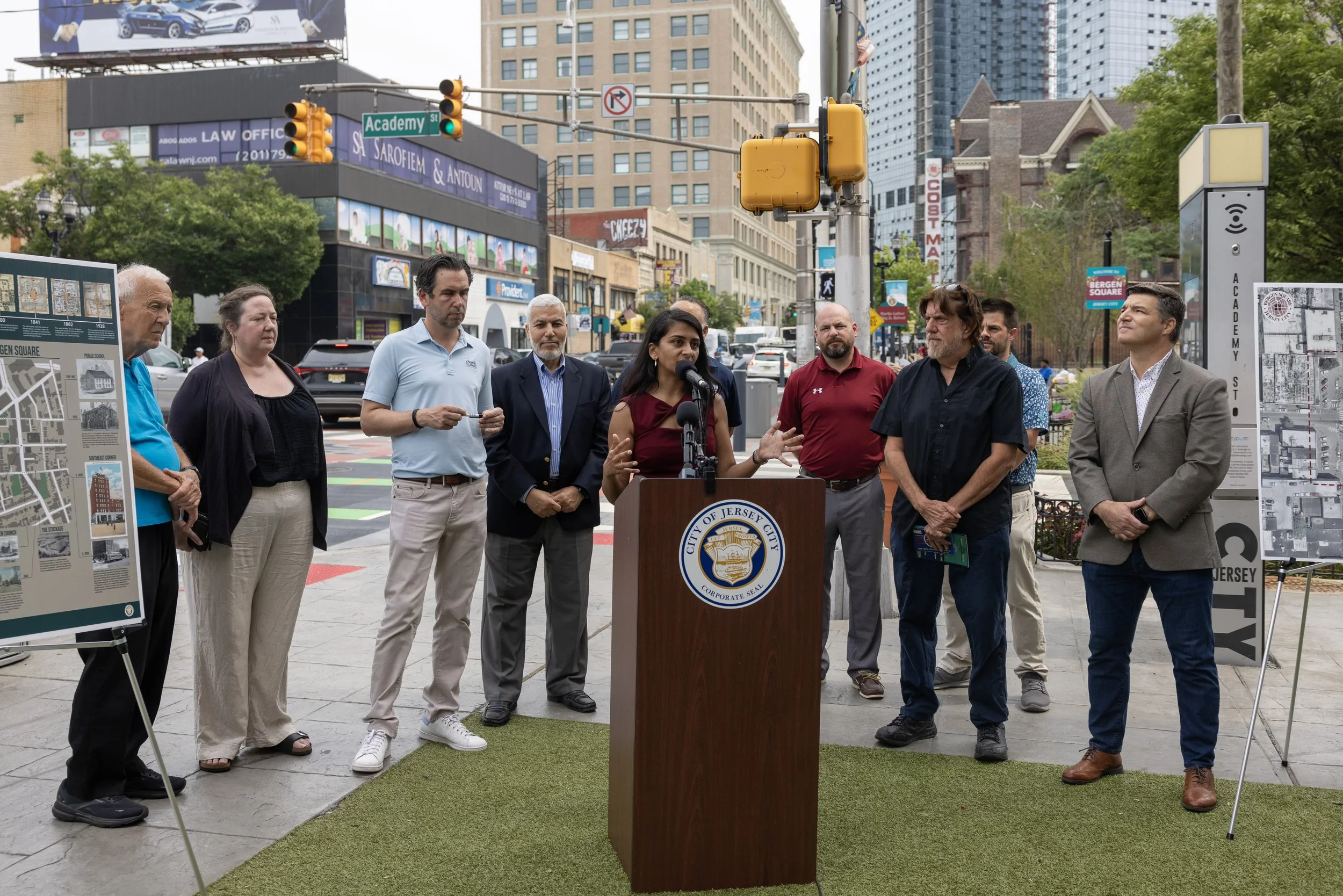
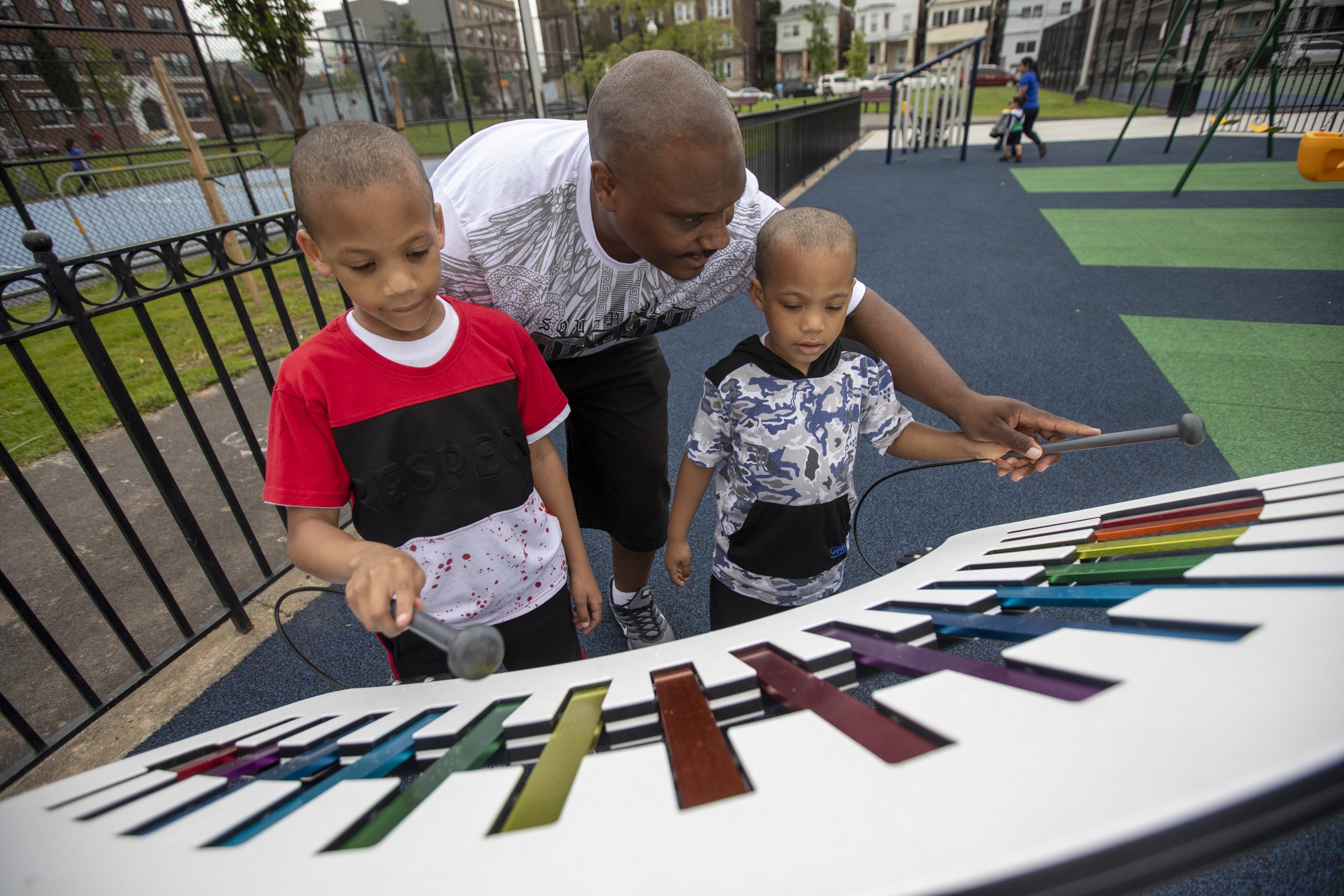
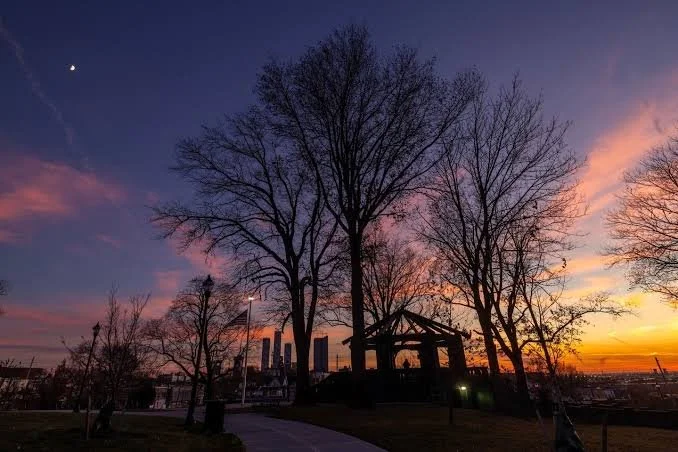
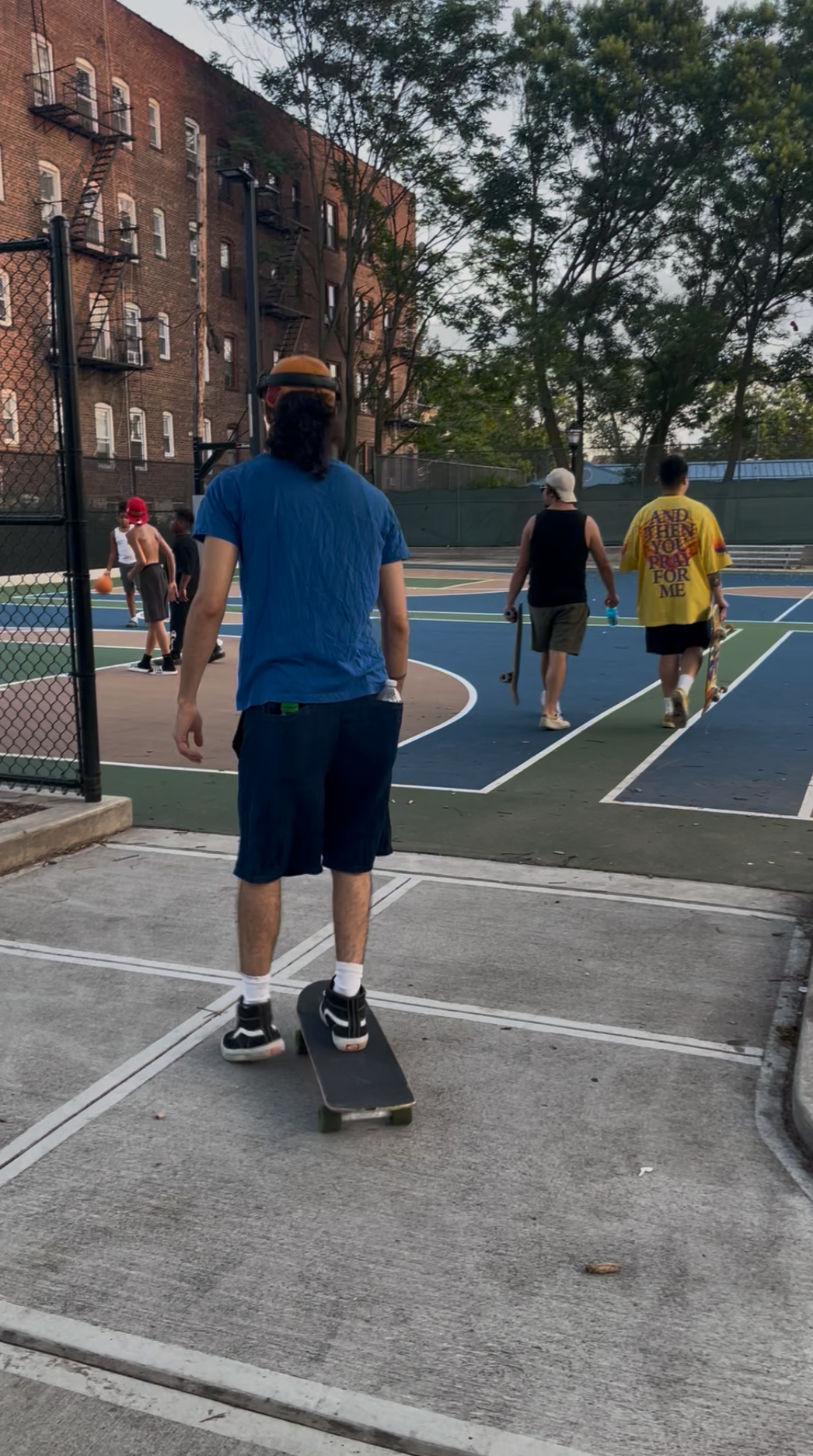
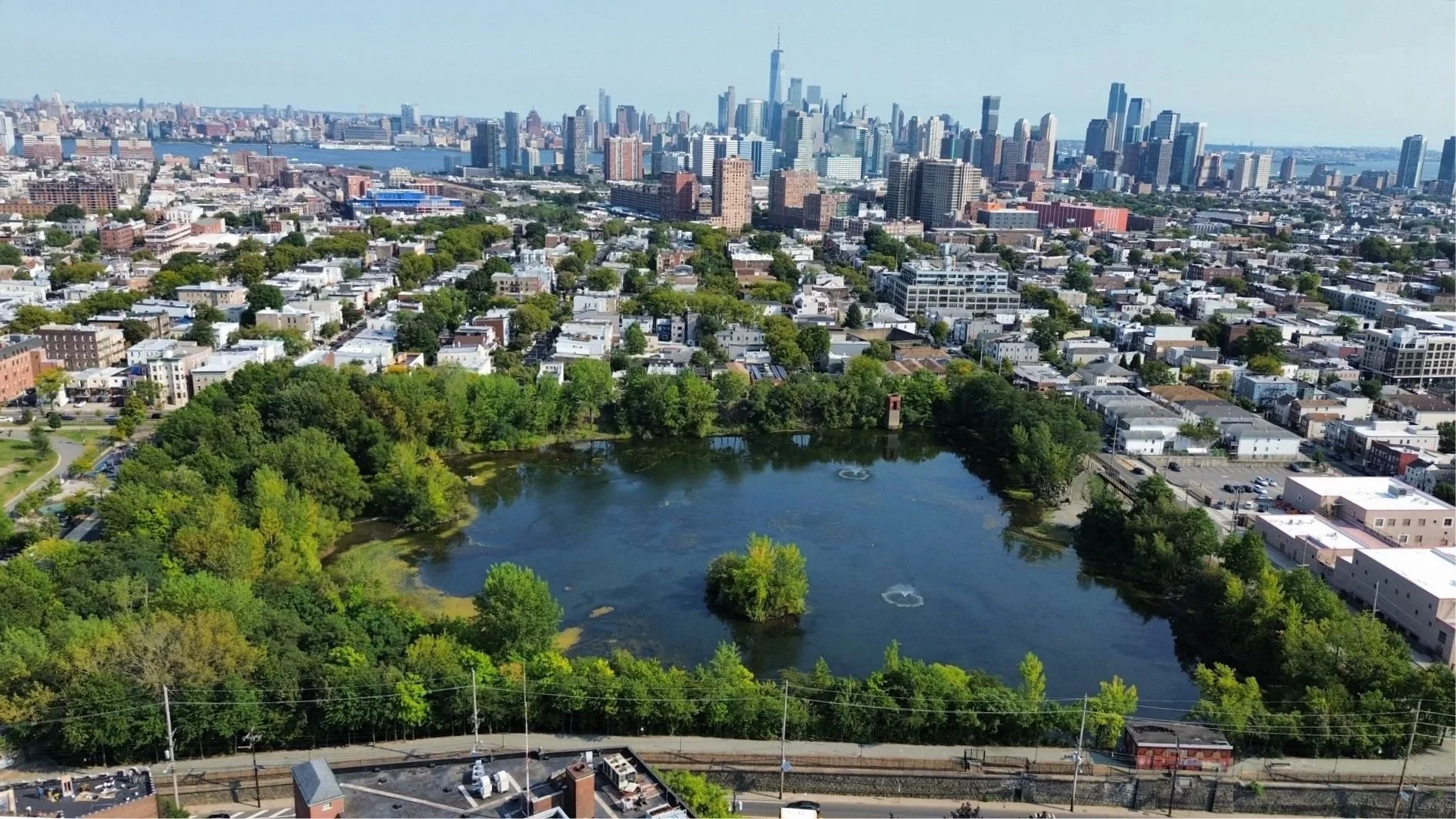
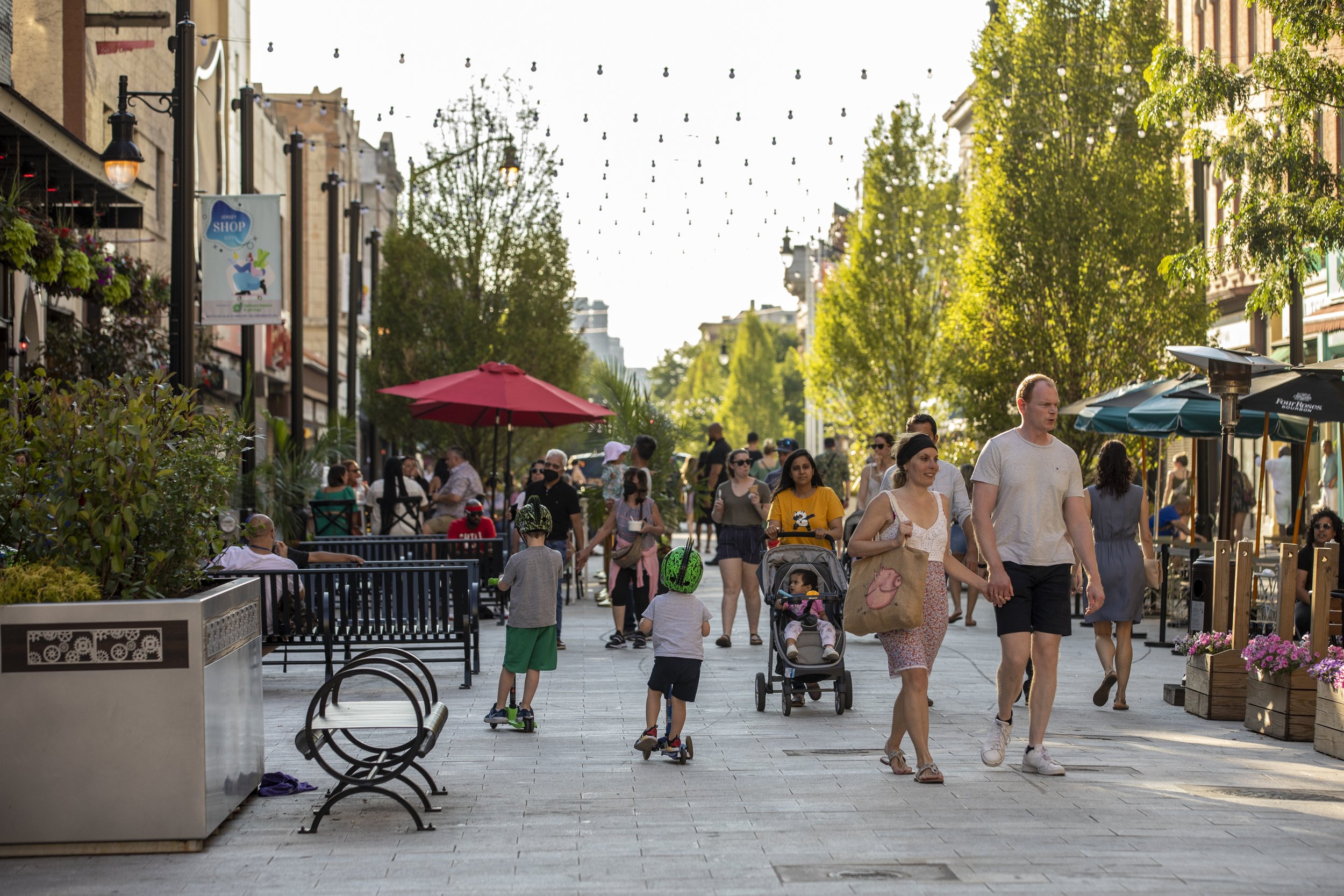
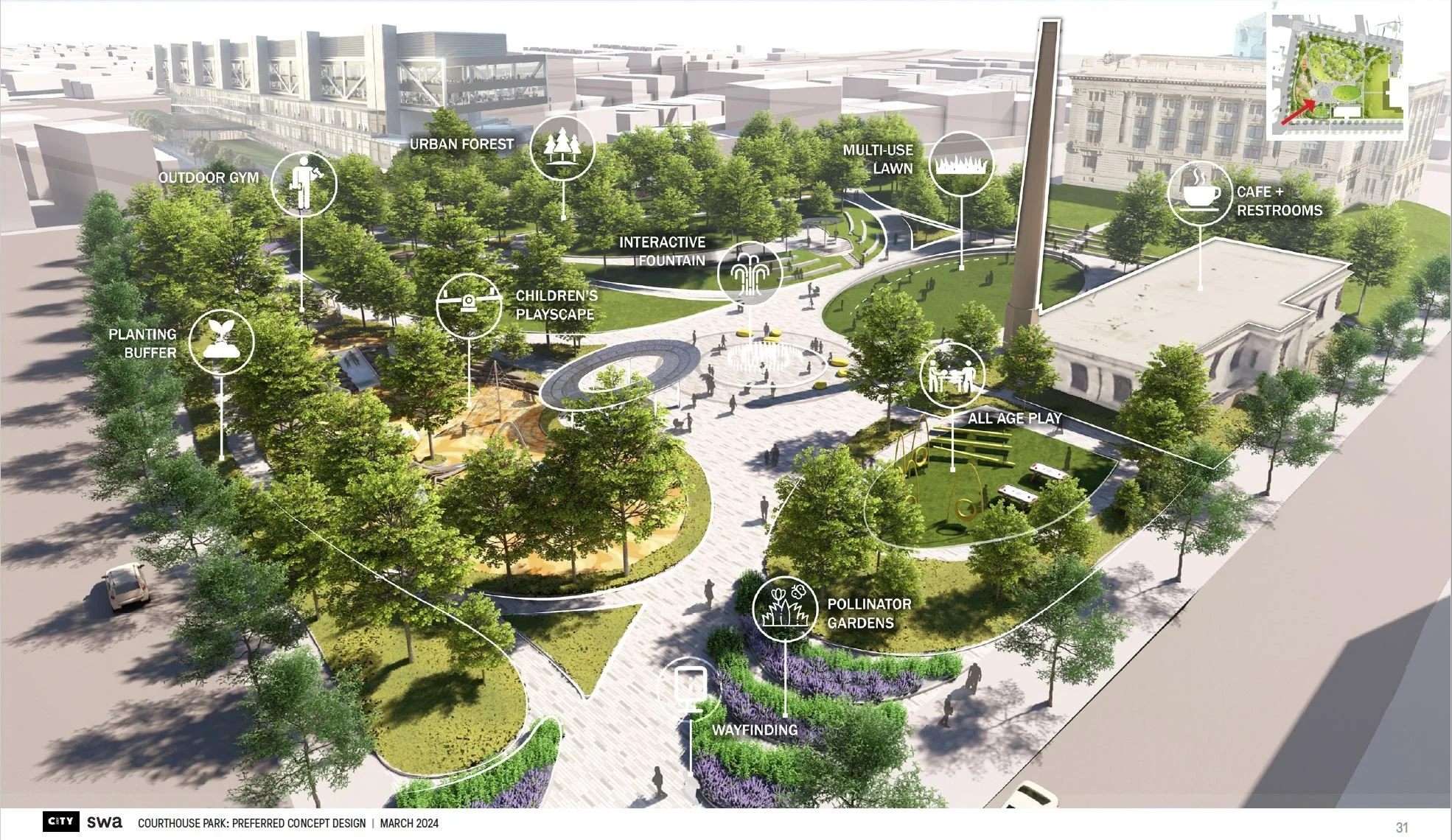
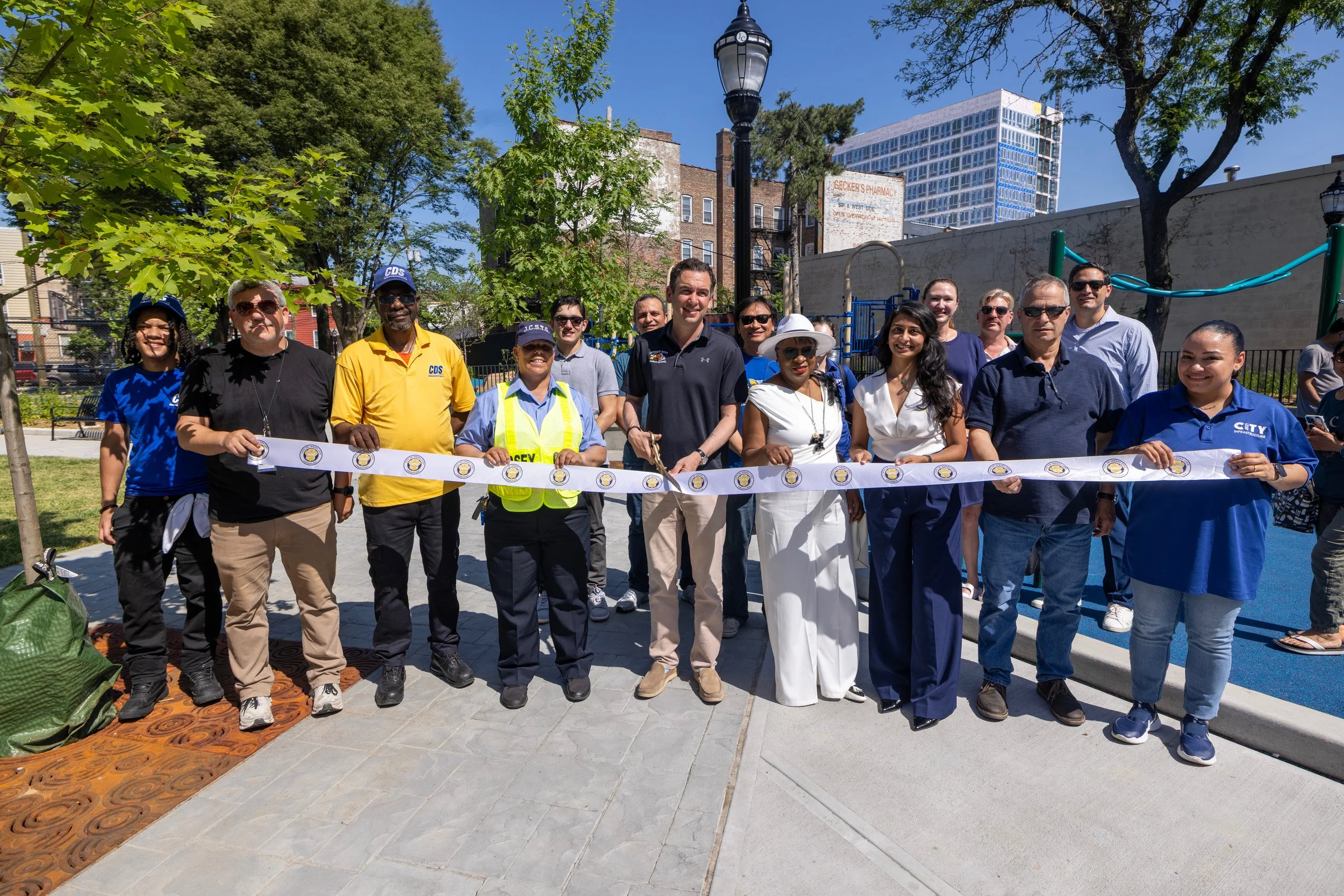
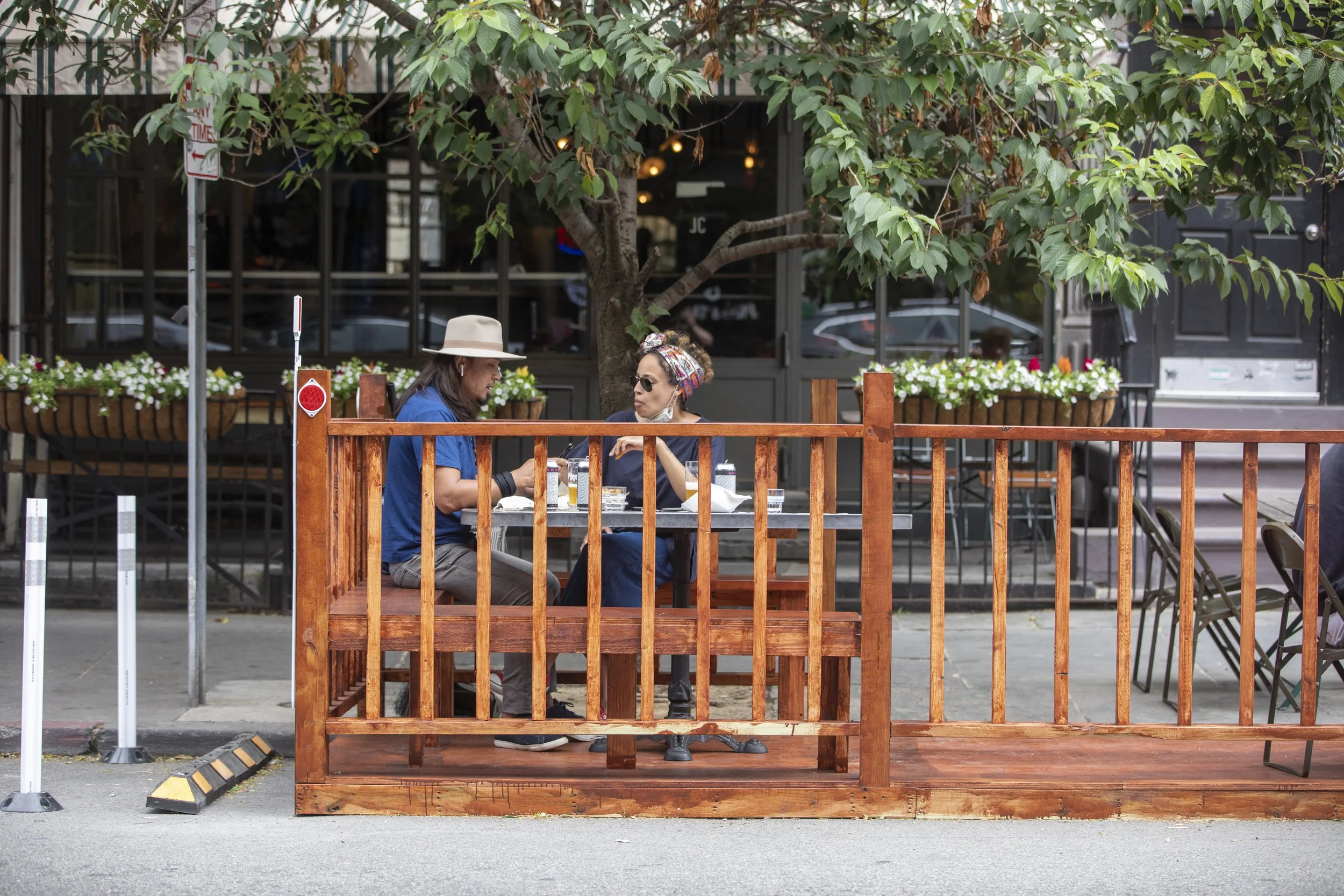
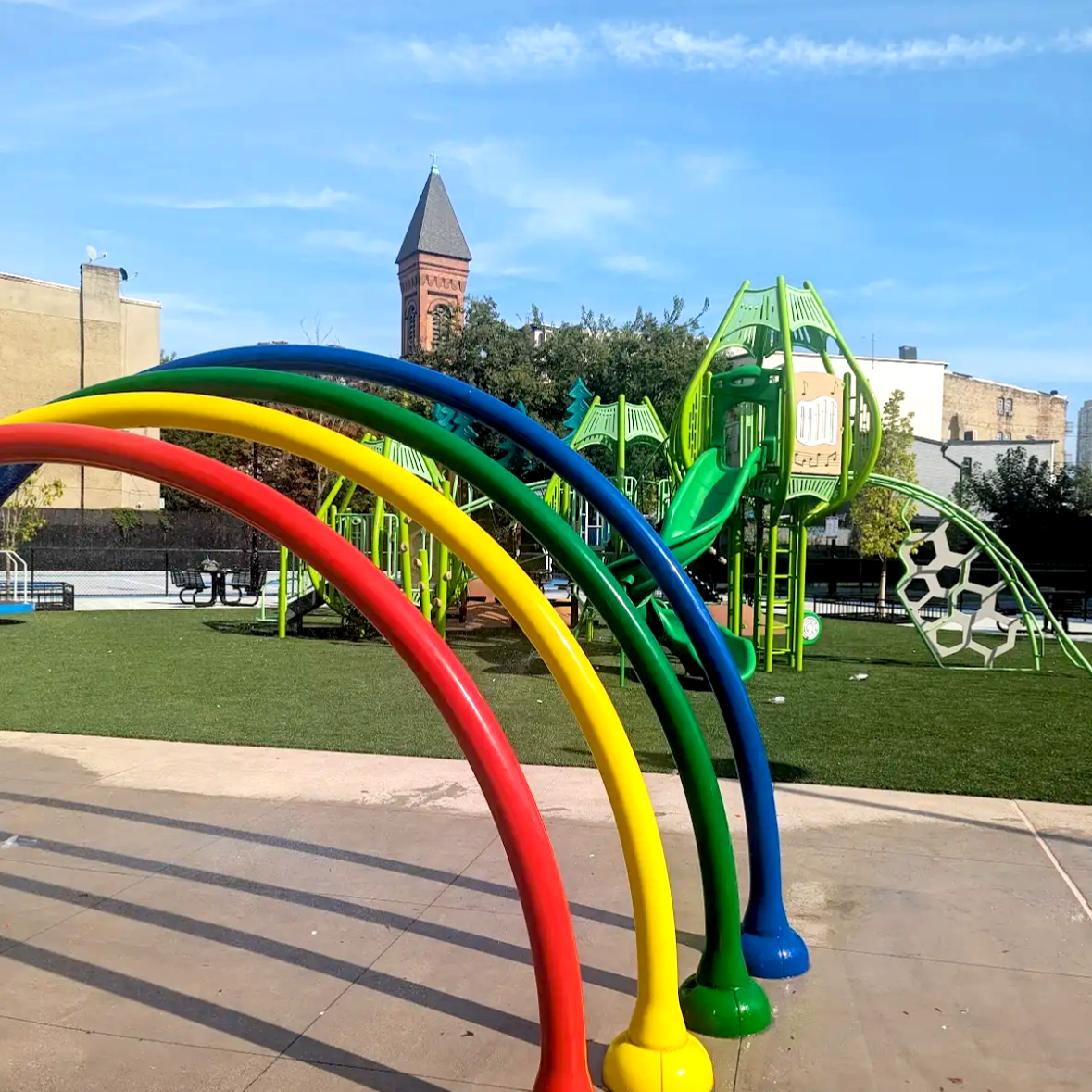
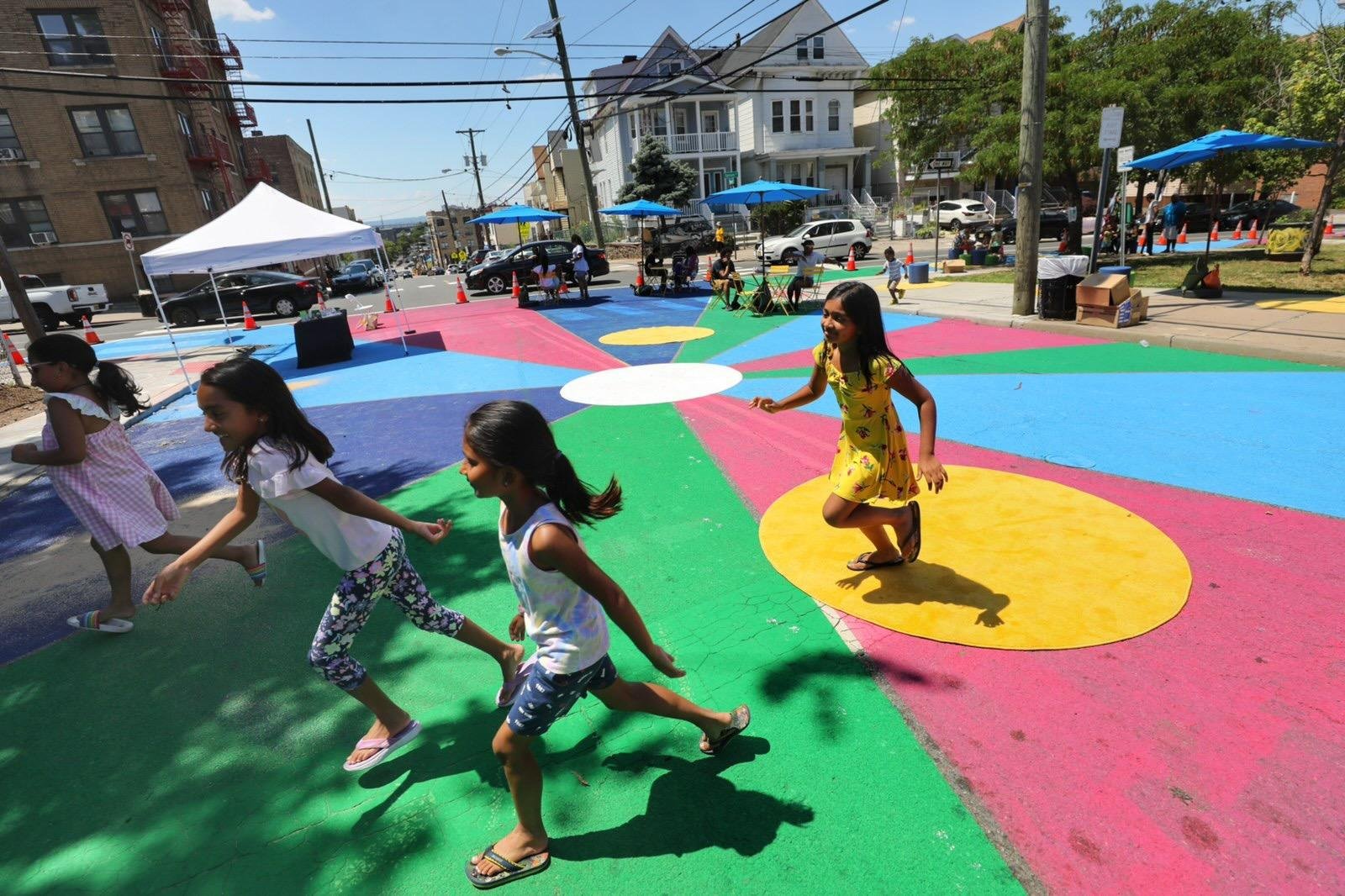
95% of Jersey City residents live within a 10 minute walk to a park, but the amount of public space available to the residents in the rapidly growing city is insufficient. The City’s innovative approach to creating much-needed public space has become a model for dense urban communities. Pilot pedestrian plazas, pop-up parks, and curbside parklets throughout various neighborhoods have evolved from temporary installations to investment in permanent capital improvements. In the last five years, systematic upgrades to over 25 parks and consistent creation of new, non-traditional public spaces has led to a leap in the City’s national ParkScore ranking from 47 to 31 out of the top 100 cities in the country.
Sustainability
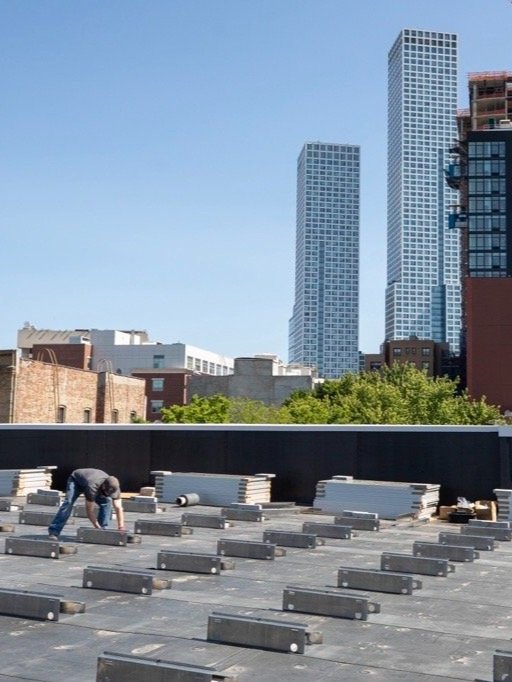
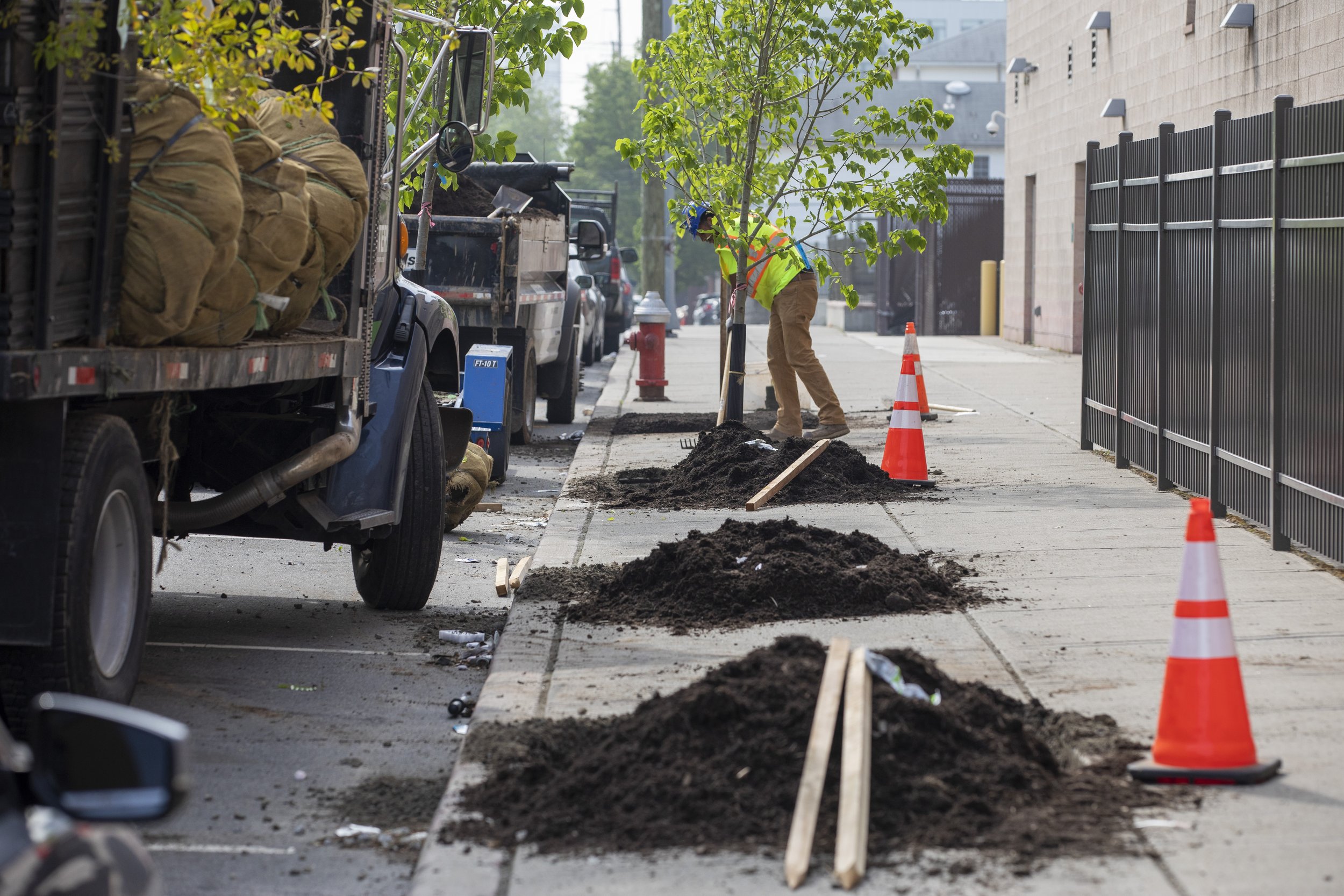
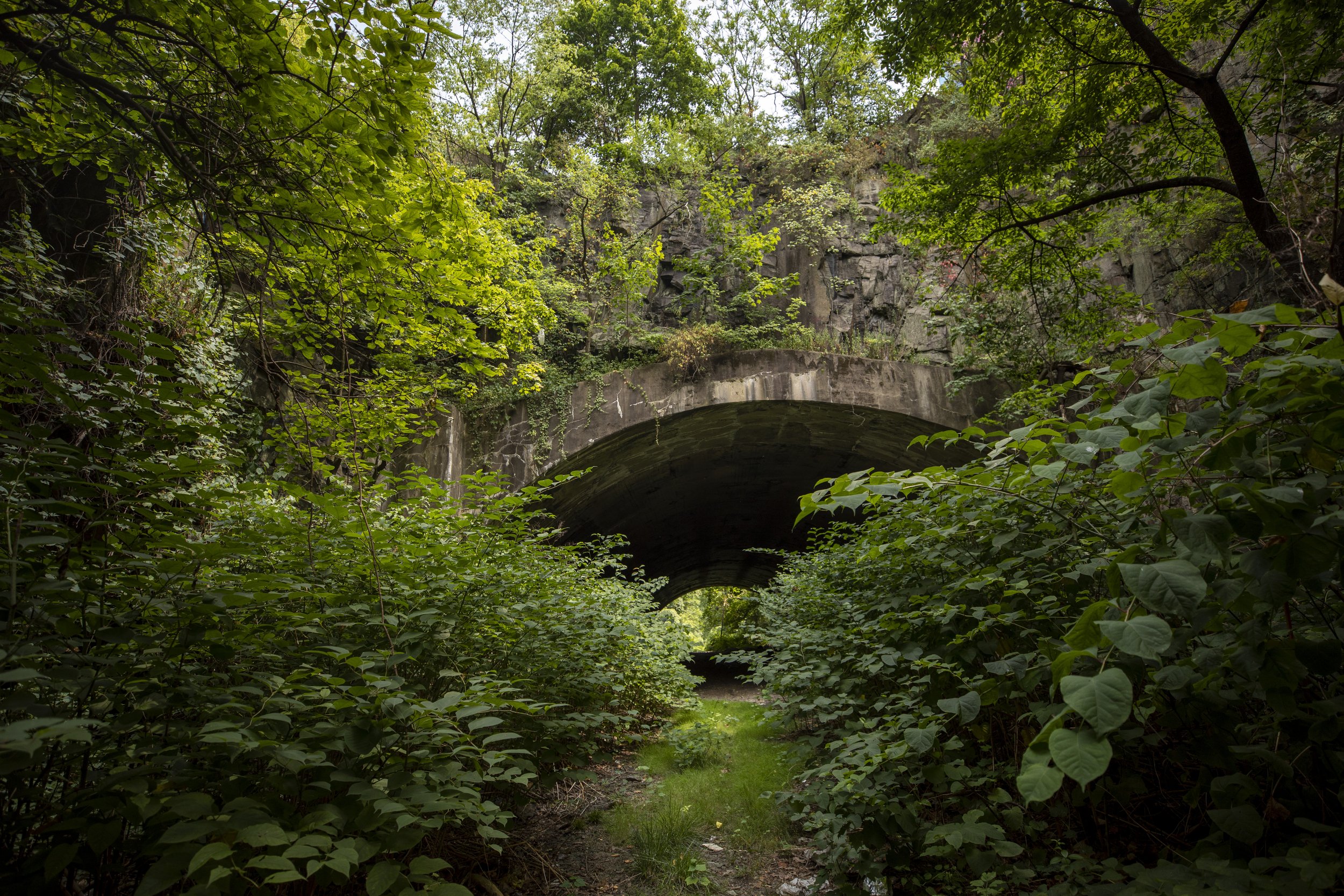
Following the adoption of an ambitious Climate Action Plan, the City has been incorporating sustainability efforts into the full range of the public realm projects on City streets, parks, and buildings. The City plants hundreds of trees every year, enhances public streets with green infrastructure, advanced pavement-to-parks projects, and completed energy upgrades at twenty eight city facilities. Upgrades include the installation of solar panels, continued electrification of the City’s fleet of vehicles, and installation of one of the first microgrid systems.
Community
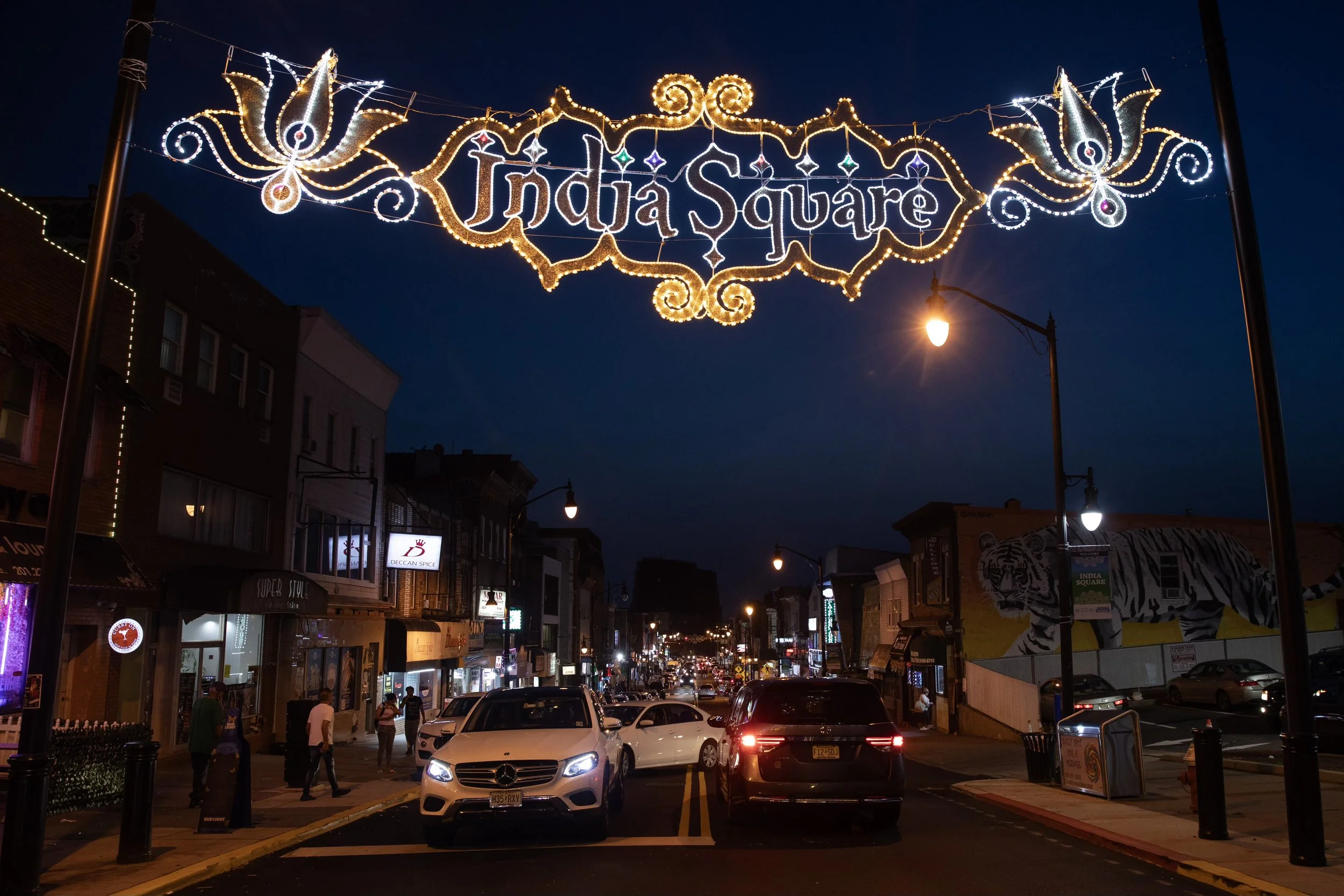
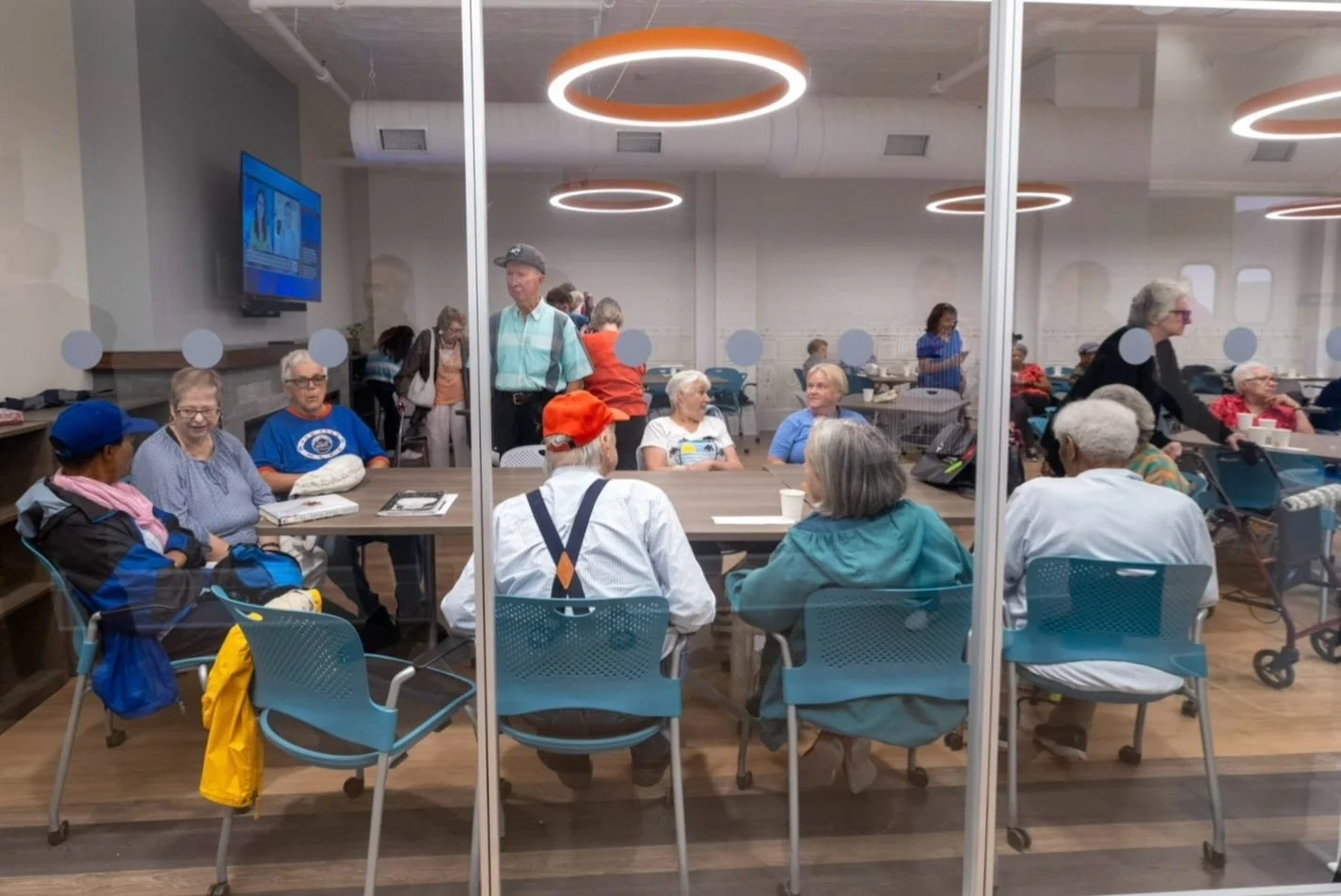
By using a tactical urbanism approach for public projects, Jersey City has set new standards for plan development and community engagement. Transportation projects are tested on the ground to demonstrate that city streets can be quickly adjusted to prioritize the experience of the most vulnerable users. Public Space projects are designed within the cultural context of each neighborhood and used as a way to celebrate the diversity of the City. Sustainability initiatives often incorporate native plants and biodiversity, and seek repair the impacts of environmental injustice.
PORTFOLIO
Click on images below to learn more about each project; recently completed projects are still being added. Photos courtesy of the City of Jersey City / Jennifer Brown